
Business Energy ConsultantsCatalyst Digital Energy is a leading technology-enabled provider of energy and sustainability solutions.
Catalyst Digital Energy are an award-winning business energy consultants operating in the industrial and commercial sectors. Building on more than 20 years of experience, it has a reputation for excellence in the UK, Irish and International energy markets. Catalyst is recognised by clients globally as a trusted source for integrated energy solutions, reliability, and innovation across a full spectrum of energy disciplines.
We offer private and public sector client’s access to our strong consulting capabilities across all major energy services, including risk managed flexible and fixed energy procurement, our EaaSi™ digital energy bureau solutions, and energy service consulting.
Our diverse expertise in active, passive, and alternative energy solutions, as well as our deep environmental, social and governance focus, complement each other when creating targeted solutions for our clients.
Our expertise and on-the-ground knowledge of our consultants, analysts and energy professionals are brought together in one consistent global view, which guides our strategic approach towards total energy lifecycle management.
As business energy consultants we aim to innovate and shape the future of energy consulting. We understand that as a trusted advisor to our clients, we have a crucial role in helping navigate the transition to a more sustainable future.
We are committed to acting on behalf of our clients and providing solutions with their best interests at heart so that they can reach their sustainable energy goals, no matter what the future holds.
Leveraging 20-years experience in this dynamic market, our fully automated digital energy spend management platform EaaSi™ puts us at the forefront of the digital energy consultancy sector.
Business Energy Procurement ServicesWe provide a range of fixed and flexible electricity and gas procurement solutions.
Energy Procurement SolutionsOur full range of Business Energy Procurement services and solutions to optimise and enhance your energy procurement requirments
Introducing our revolutionary Energy Procurement Solution, reimagining the way businesses source energy through the power of data analysis. Say goodbye to outdated methods and hello to a new era of intelligent energy purchasing.
Our cutting-edge EaaSi™ platform harnesses the strength of historical consumption data, real-time market trends, and predictive analytics to empower your organisation with informed decision-making.
With precise demand forecasts generated from your actual consumption data, you’ll have the upper hand in negotiating customized energy contracts that perfectly match your consumption needs.
Embrace a future where energy procurement is synonymous with efficiency, cost savings, and sustainable practices – all made possible through the remarkable capabilities of data-driven innovation.
As award winning business energy consultants we’re proud to offer a complete suite of energy procurement services, covering everything from fixed to flex contracts for gas, electricity, and even water. With us, you can take full control of your energy costs and sustainability goals.
Our Energy Procurement Services
At Catalyst we understand that managing energy costs is a critical aspect of your business operations. That’s why we provide a wide range of procurement services to meet your unique needs:
> Fixed Contracts: If stability and predictability are your priorities, our fixed-rate contracts offer you a set price for your energy needs. Say goodbye to market volatility and budget with confidence.
> Flexible Contracts: For those who want to take advantage of market fluctuations, our flexible contracts allow you to adapt to changing energy prices. We provide the tools and expertise to navigate the energy market efficiently.
> Gas Procurement: Whether it’s natural gas for heating or industrial processes, we can help you secure the best rates for your gas consumption. Our strategies are tailored to your specific usage patterns.
> Electricity Procurement: Power your business with cost-effective electricity solutions. We help you navigate the complexities of the electricity market, ensuring you get the best deal while maintaining supply reliability.
> Water Procurement: Don’t overlook the importance of water management. Our water procurement services enable you to optimize water costs and sustainability efforts, promoting responsible resource usage.
Why Choose Catalyst
> Comprehensive Solutions: We cover all your energy needs, from gas and electricity to water, providing a one-stop solution for all your energy procurement requirements.
> Tailored Contracts: Our services are highly customisable. We work closely with you to design procurement strategies that align with your business objectives.
> Market Expertise: Our team of experts closely monitors energy markets, ensuring you get the most competitive rates and timely recommendations.
> Cost Savings: Our procurement services are designed to help you save on energy costs, allowing you to allocate resources where they matter most.
> Sustainability Focus: We’re dedicated to helping you make sustainable energy choices, whether it’s through renewable energy procurement or efficient resource management.
By choosing Catalyst you’re not just managing your energy costs; you’re taking a step toward a more sustainable and efficient future. Let us be your trusted partner in energy procurement, guiding you through the complexities of the energy market and helping you achieve your financial and sustainability goals. Contact us today to explore how we can optimise your energy procurement strategy.
Electricity, Gas and Water Services
Fixed Energy Contracts
With a wide choice of suppliers we can provide a range of quoting options to suit every type of supply.
Flexible Basket Solutions
For customers with an annual consumption greater than 2m kWh’s per annum.
Be-Spoke Flexible Contracts
For customers with an annual consumption greater than 60m kWh’s per annum.
Water Contracts
Various solutions available to support any metering requirement for all types of water supply points.
Bureau Service
Ongoing invoice validation services to ensure what you have agreed is what you pay.
Carbon Reporting
A range of scope 1,2 and 3 carbon reporting and carbon reduction plans inline with SECR standards.
Monthly Business Energy Price ReportsDigital Energy Element - The latest UK energy market price news and views
Business Energy Consulting ServicesEnergy management consultants who offer bespoke sustainability, energy & carbon emissions advice to meet the challenges of your industry.
With our fully funded approach and complimentary range of technology partners supported by our technical consulting, we offer an agnostic solution that goes beyond just energy management. At Catalyst we are dedicated to helping you achieve your sustainability goals while optimising your energy consumption.
Our Fully Funded Approach
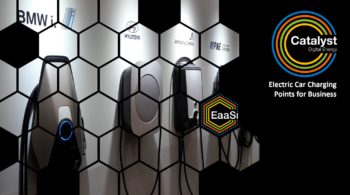
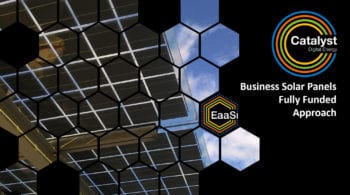
Our commitment to making renewable energy accessible to everyone sets us apart. We understand that upfront costs can be a barrier to adopting green technologies. That’s why we offer fully funded solutions for Solar PV, EV Charging, and Battery storage systems. You can enjoy the benefits of clean energy without the financial burden, as we take care of the investment while you reap the rewards.
Complimentary Technology Partnerships
To provide you with the best possible solutions, we have partnered with leading technology providers in the industry. These strategic partnerships allow us to offer a diverse range of products and services tailored to your unique needs. Whether you’re looking for cutting-edge solar panels, top-tier EV charging stations, or state-of-the-art battery storage solutions, our technology partnerships ensure you have access to the best options available.
Technical Consulting Expertise
Our team of technical business energy consultants is here to guide you every step of the way. We understand that each energy project is unique, and your requirements may vary. Our experts will work closely with you to assess your energy needs, design a customised solution, and oversee the implementation process. We provide technical expertise to ensure your energy systems are optimised for efficiency and performance.
Why Choose Catalyst
> Fully Funded Solutions: Our commitment to removing financial barriers makes renewable energy adoption hassle-free.
> Technology Partnerships: Access a wide range of industry-leading products and services through our trusted partnerships.
> Technical Excellence: Our team of experts ensures that your energy systems are designed and implemented to the highest standards.
> Sustainability Focus: We share your passion for sustainability and are dedicated to reducing your carbon footprint.
> Long-term Support: Beyond installation, we provide ongoing maintenance and support to keep your energy systems operating at their best.
Join us in the transition to a more sustainable energy future. With our fully funded approach, technology partnerships, and technical consulting expertise, we empower you to make a positive impact on the environment while enjoying the benefits of clean energy. Contact Catalyst today to embark on your journey towards a greener tomorrow.
“Catalyst is committed to helping businesses harness the power of renewable energy while optimising their energy consumption. Supported by our fully funded approach and complimentary range of technology partners”
Onstite Generation
Solar PV, Solar Thermal, Biomass, Wind, Hydrogen, Gas CHP, Waste to Energy, Ground Source Heat Pumps, Air Source Heat Pumps.
Technical Consulting
Carbon Reporting, SECR, ESOS, Carbon Reduction Plans, EPC, Power Purchase Agreements, Carbon Offsetting, Demand Side Response.
Data Solutions
Smart Meters, IoT, Data Visualisation, Building Energy Management, MOP Contracts, Validation.
EV Charging
Battery Storge, EV Charging, Commercial Fleet Charging.
Business Energy ServicesA full complimentary range of energy consulting services.
About UsEnergy management consultants who offer bespoke sustainability, energy & carbon emissions advice to meet the challenges of your industry.
Nestled within the bustling energy of Birmingham, a city known for its history of innovation and industry, Catalyst’s head office serves as a hub of creativity and collaboration. The diverse and vibrant community of Birmingham provides an ideal backdrop for the cultivation of groundbreaking ideas and partnerships. From this strategic location, Catalyst business energy consultants orchestrates its efforts to transform the energy landscape, and has illuminated the path toward sustainable energy solutions and garnered acclaim far and wide.
Diving headfirst into the intricate world of energy consulting, Catalyst has honed a unique set of skills over the years. Mastery of energy-efficient technologies, in-depth knowledge of regulatory frameworks, and the capacity to tailor solutions to each client’s distinct needs have set them apart as an industry authority.
By leveraging data-driven insights, Catalyst has crafted strategies that optimise energy consumption and drive down costs for a diverse clientele, ranging from small businesses to large corporations. Our expertise doesn’t just lie in the technical realm; we have the ability to communicate complex ideas effectively, bridging the gap between technical jargon and practical implementation.
Recognition is often the hallmark of true achievement, and our efforts have not gone unnoticed. With a commitment to excellence, innovation, and sustainability has earned us prestigious awards in the field. These accolades not only validate our hard work but also inspire us to continue pushing the boundaries of what’s possible in the realm of energy consulting.
Through a steadfast commitment to pioneering solutions and an unwavering focus on positive change, we continue to inspire others to follow suit. Learn More


“Catalyst is committed to helping businesses harness the power of renewable energy while optimising their energy consumption. Supported by our fully funded approach and complimentary range of technology partners”
> Award winning Energy Consultants
> Achieve net zero emissions before 2050
> Commitment For Sustainability
> Our Carbon Reduction Plan
> EaaSi Energy Bureau Service