
Green Energy For Business

Switching to green energy is one of the most visible sustainability commitments a business can make — and for many UK organisations, it now carries regulatory weight too. But not all green energy products are equal, and the cheapest “renewable” tariff on the market is often backed by little more than a paper certificate from a hydroelectric plant in Norway.

At Catalyst Commercial, we help UK businesses make the switch to genuinely green energy: products that are verified, competitively priced, and aligned with your sustainability reporting requirements. We work with 30+ energy suppliers and have supported more than 1,000 commercial clients, giving us a clear view of which green tariffs represent real value and which are greenwashing dressed up in marketing language.


What Makes Energy “Green”?

Green energy — also called renewable energy — is electricity generated from sources that produce little or no carbon emissions. The main sources used in UK commercial energy supply are:

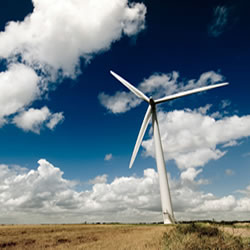
  • Wind power — onshore and offshore wind farms now generate over 25% of UK electricity
  • Solar photovoltaic (PV) — both utility-scale solar farms and commercial rooftop installations
  • Hydroelectric power — including large-scale reservoirs and run-of-river systems
  • Biomass — organic material burned to generate heat and electricity, though its sustainability credentials vary
  • Tidal and wave energy — emerging technologies with limited commercial deployment in the UK

The National Grid mixes power from all of these sources with gas, nuclear, and other generation types. When you buy green energy, you are not receiving electrons from a specific wind farm — you are purchasing a contractual guarantee that a renewable source generated an equivalent amount of electricity on your behalf.


Understanding REGO Certificates

The mechanism that underpins most UK green energy tariffs is the Renewable Energy Guarantees of Origin (REGO) certificate. Ofgem issues one REGO for every megawatt-hour of renewable electricity generated. When you buy a “green tariff,” your supplier purchases REGOs to match your consumption and retires them so they cannot be sold again.

The problem is that REGOs are very cheap — sometimes costing less than £1 per MWh — which means a supplier can brand a tariff as “100% renewable” for a minimal additional cost, regardless of where or when the energy was actually generated. This is legal and auditable, but it does not always reflect genuine additionality (i.e. your spend helping to fund new renewable capacity).

For businesses where sustainability reporting requires more rigorous evidence, there are stronger options.


Types of Green Energy Product

Standard renewable tariff (REGO-backed) The most common and most affordable option. Your supplier matches your consumption with REGO certificates. Suitable for businesses that want to report zero-carbon electricity without a significant cost premium. Certificates are typically sourced from existing renewable assets across Europe.

UK-only REGO tariff REGOs sourced exclusively from UK-based renewable generation. Useful for businesses that want their green energy spend to support the domestic renewable sector, or where stakeholders require UK provenance.

Additionality tariff A growing number of suppliers offer tariffs backed by REGOs from newer UK renewable projects — typically those commissioned within the last three to five years. This provides stronger evidence that your purchase is supporting new capacity, which matters in frameworks like the Science Based Targets initiative (SBTi) and CDP reporting.

Power Purchase Agreement (PPA) A direct contract between your business and a renewable generator, typically a wind or solar farm. PPAs can offer price certainty over five to fifteen years and can be structured to demonstrate additionality, making them the gold standard for corporate sustainability commitments. They are generally more suitable for larger energy users (500 MWh+ per year).

On-site generation Solar PV panels, combined heat and power (CHP) systems, or battery storage installed at your premises. These remove the need to purchase renewable energy through the grid and can significantly reduce both your carbon footprint and your energy bill.


Fully CCL-Exempt Green Energy

Some green energy products qualify for a full Climate Change Levy (CCL) exemption. CCL is a government tax applied to business energy consumption, currently charged at approximately 0.775p per kWh for electricity. CCL-exempt green energy can therefore represent a meaningful cost saving for high-consumption businesses.

Eligibility depends on the specific tariff and the generation source. Catalyst can identify which suppliers currently offer CCL-exempt products and assess whether your business qualifies — it is not always straightforward, and the rules change periodically.


How Catalyst Manages Your Green Energy Switch

Our procurement process for green energy follows the same structured approach we apply to all commercial energy:

  1. Consumption audit — we review your current usage, contract end dates, and budget requirements
  2. Sustainability brief — we establish what level of green credentiality you need (REGO-backed, UK-only, additionality, PPA)
  3. Market tender — we approach our panel of 30+ suppliers to obtain competitive quotes against your specific requirements
  4. Comparison and recommendation — we present options clearly, including cost premium versus standard contract, certificate provenance, and reporting suitability
  5. Contract management — we handle all supplier communication, registration, and transfer administration (typically 6–8 weeks for a standard switch)
  6. Ongoing monitoring — through our Cost Stacker™ platform, you can track your energy spend and consumption in real time

We are TPI (Third Party Intermediary) accredited, a Crown Commercial Service supplier, and hold Cyber Essentials certification. We are also registered with the Energy Ombudsman and operate under a transparent, commission-disclosed model.


Green Energy and Your Sustainability Reporting

If your business is required to report under SECR (Streamlined Energy and Carbon Reporting), participates in the Energy Savings Opportunity Scheme (ESOS), or publishes an annual sustainability report, your choice of green energy product directly affects what you can claim.

The key distinctions:

  • Scope 2 emissions (purchased electricity) can be reported as zero if you hold matching REGOs — this is market-based accounting under the GHG Protocol
  • Location-based accounting uses the grid average emission factor regardless of your tariff — you may need to report both
  • CDP and SBTi have increasingly detailed requirements around additionality and contract structure for renewable energy claims

Catalyst’s carbon reporting team can advise on which green energy product best supports your specific reporting framework, and how to document your renewable energy claims correctly for auditors or stakeholders.


Who We Work With

We source green energy contracts for businesses across a wide range of sectors and sizes:

  • Manufacturing and industrial sites with high baseload consumption
  • Multi-site retail and hospitality operators
  • Office-based professional services firms
  • Healthcare, education, and public sector organisations
  • Property developers and commercial landlords managing multiple meters

Whether you need a single site switched to a renewable tariff or a coordinated green energy strategy across a national portfolio, we manage the complexity so you do not have to.


Frequently Asked Questions

Does green energy cost more than standard business energy? A REGO-backed green tariff typically adds a small premium — often £1–3 per MWh — over a standard contract from the same supplier. Additionality products and PPAs may carry a larger premium but can also offer long-term price certainty that offsets the cost over time.

Can I report zero carbon for my electricity if I buy a green tariff? Under GHG Protocol market-based accounting, yes — provided you hold matching REGOs and they have been retired on your behalf. Your supplier should be able to provide certificate documentation for your audit trail.

What is the difference between a green tariff and solar panels? A green tariff is a contractual arrangement with your supplier — the electricity still comes through the National Grid. On-site solar generates electricity directly at your premises, which reduces your import volume and gives you direct control. Many businesses use both: solar to cover daytime baseload and a green tariff to cover remaining consumption.

How long does a green energy contract last? Standard commercial green energy contracts run for one to three years. PPAs are typically five to fifteen years. We can advise on the right term based on your cost forecasts and flexibility requirements.

Do I need to change my meter to switch to green energy? No. Your meter and grid connection remain unchanged. The switch is purely a contractual change with your supplier.

Can Catalyst help with on-site renewable generation as well as green tariffs? Yes — we advise on solar PV, battery storage, EV charging infrastructure, and combined heat and power. These services are covered under our broader energy management offering.


Ready to Switch to Green Energy?

If you want to move to verified renewable energy — or want to understand whether your current green tariff is genuinely sustainable — we can help. Contact Catalyst Commercial for a no-obligation review of your current contracts and a comparison of available green energy options from our panel of 30+ suppliers.