
Mandatory Half Hour MetersConsultation issued on changing non-domestic supplier obligations
Business Energy Changes
Ofgem to assess case for mandatory half hourly settlement for smaller consumers
Launching its significant code review (SCR) on electricity settlement reform, Ofgem has said it will assess the case for a mandatory half hourly electricity settlement (HHS) process for domestic and smaller non-domestic customers.
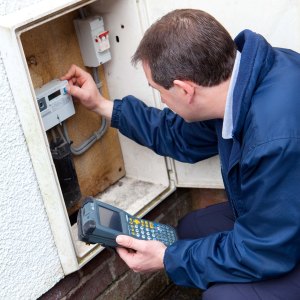
Through use of smart and advanced meters, customers’ half-hourly consumption can be recorded and remotely read. Previously, the settlement process was based on half hourly estimates.
HHS means that customers are settled based on their usage in each half hour, as recorded, improving the accuracy and timeliness of the settlement process.
Ofgem regarded such a move as key in enabling innovation in smart tariffs and a necessary step in achieving potential benefits from demand-side response.
Summary
Significant Code Review (SCR): Ofgem is launching a significant code review on electricity settlement reform. This suggests a comprehensive evaluation of the existing procedures and potential changes to improve the overall system.
Mandatory Half Hourly Settlement (HHS): Ofgem is considering the implementation of a mandatory half-hourly electricity settlement process for domestic and smaller non-domestic customers. This would require the use of smart and advanced meters to record customers’ half-hourly consumption, allowing for more precise and timely settlement compared to the previous estimation-based process.
Smart and Advanced Meters: The proposed HHS process relies on the use of smart and advanced meters. These meters enable the remote reading of consumption data, providing accurate information on customers’ energy usage in each half-hour period.
Accuracy and Timeliness of Settlement Process: The shift to HHS is expected to improve the accuracy and timeliness of the settlement process. Customers would be billed based on their actual usage in each half-hour, eliminating the need for estimations and potentially reducing billing discrepancies.
Enabling Innovation in Smart Tariffs: Ofgem sees the move towards HHS as a key factor in enabling innovation in smart tariffs. Smart tariffs are dynamic pricing structures that can reflect the real-time demand and supply conditions in the electricity market. The accurate half-hourly settlement process would support the implementation of such innovative pricing models.
In summary, Ofgem’s initiative to assess the case for mandatory half-hourly settlement for smaller consumers reflects a commitment to modernising and improving the efficiency of the electricity market in the UK. The adoption of advanced metering technologies and precise settlement processes is expected to drive innovation in pricing models and facilitate demand-side response initiatives.



About Catalyst
Catalyst Digital Energy is an award-winning energy consultancy with a focus on digital energy services, total energy contract lifecycle management and energy management services. It is revolutionising how businesses manage energy with its unique Energy Spend Management Platform, which is powered by Robotic Process Automation (RPA) EaaSi®.
Catalyst is digitising all aspects of energy, including billing, data, consumption, spend, payments, procurement and emissions reporting. When combined with its fully funded renewable energy solutions, Catalyst offers a unique and powerful approach to managing energy.